
Voting for the August photo contest is officially open for members to vote. Show your support for our talented community members and help us choose this month’s winners.
The gallery is live, and the ballot box will remain open until Wednesday, September 9th at 5:00 PM.
📩 How to Submit Your Ballot
Please review the entries and email your top three choices to contest@tcpcinc.org.
To ensure your votes are counted accurately, your email must include:
• Your Selection: State your 1st, 2nd, and 3rd place choices clearly.
• Photo Details: Provide both the image number and the title for each choice.
• Voter Info: Include your full name in the body of the email.
🔍 Judging & Voting Criteria
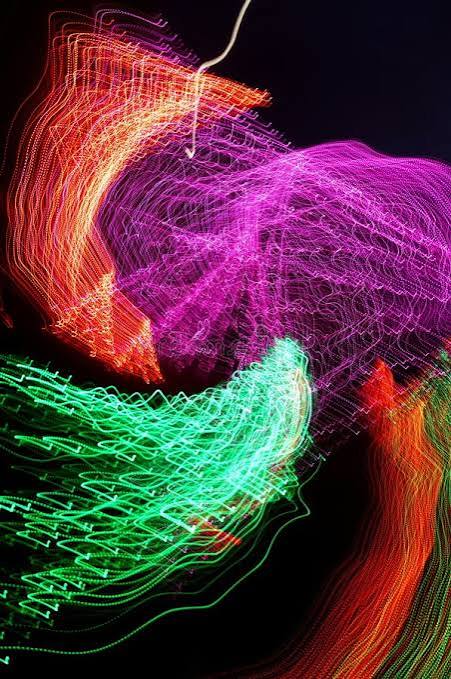
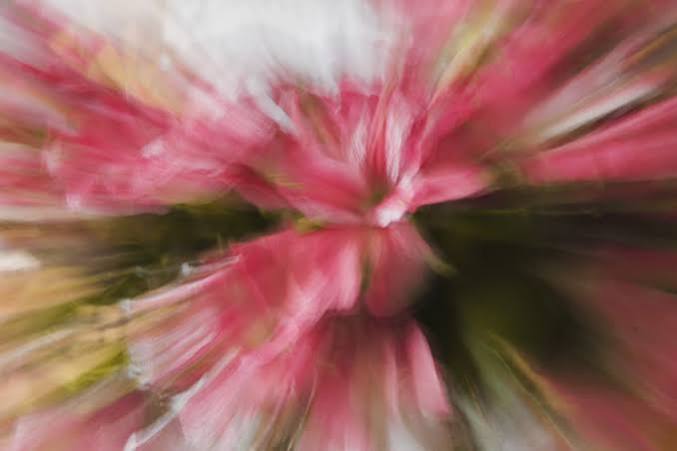
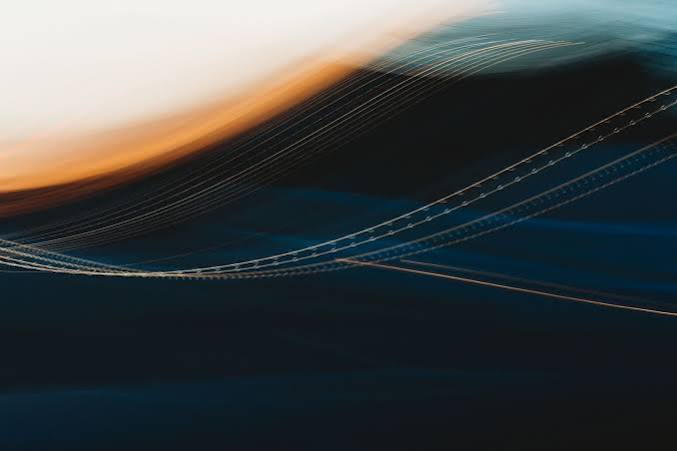
This month’s theme is The Art of Simplicity Photography.
In photography, the art of simplicity is a compositional rule centered on stripping away distracting elements to focus entirely on the main subject or message. It operates on a “less is more” philosophy, treating composition like a sculptor removing excess material rather than a painter adding layers. By narrowing down what is in the frame, you enhance the visual impact and easily communicate the mood or story of the photograph.
What to look for:
1. Adherence to Theme: Does the image successfully honor the spirit and requirements of the art of simplicity photography?
2. Impact: Viewing an image for the first time always evokes some kind of feeling. Sometimes they can make us sad, happy or angry. Sometimes they force us to look inward at ourselves. That’s called an impact, and the more powerful the image, the more powerful the emotional response of the viewer.
3. Creativity: The point of view is exactly that– yours. And it’s unlike anyone else’s. This element speaks directly to that perspective. It shows the imagination and how it used the medium to convey an idea, a message or a thought to the viewer. This is how they differentiate their self from others.
4. Style: There are many, many ways to view this element in the work. Maybe light was used in a specific way on a subject, or maybe it make a technical decision for the express purpose of underscoring desired impact. When subject matter and style come together in an appropriate manner, the effects on an image can be spectacular. But remember, when subject matter and style don’t work together, the results can be, well, less-than-spectacular.
5. Composition: When all the visual elements of an image come together to express intent, that’s when the magic of composition happens. Good composition captures your attention and directs it where, the artist, want it to be. Depending on their intent, it can make something that pleases you– or disturbs you.
6. Color Balance: Proper color balance can bring a sense of harmony to an image. When the tones all work together to support an image, the emotional appeal is that much greater. But color balance doesn’t have to be used to bring harmony to an image. The image can use color balance to evoke any number of feelings from you..
7. Center of Interest: This is where an image’s creator wants your attention focused. Sometimes there can be a primary and a secondary center of interest. Sometimes everything in an image will work together to create that center of interest.
8. Lighting: The use and control of light has an effect on every aspect of an image. It informs dimensions and shape, it sets tone and mood, and, like every other technique, proper lighting can be used to enhance an image while improper lighting can detract from it.
9. Subject Matter: Even though it lacks words, the image is still telling a story, and the subject matter is central to that. So make sure that the subject matter is right for the story that they’re trying to tell.
10. Technique: How they choose to execute the image is key. It’s also a holistic decision. Technique informs everything in the creation of the image. If all works it shows off the techniques that they’ve mastered and applied to their craft.
11. Story Telling: What does the image evoke in your imagination? Keep in mind: And while the act of creating is a personal thing, so too is the act of viewing. Does the image tell a story? The one it tells you might not be one the creator never knew it was telling.


