
Ernst Haas: The Poet of Color and Motion

Ernst Haas: The Poet of Color and Motion
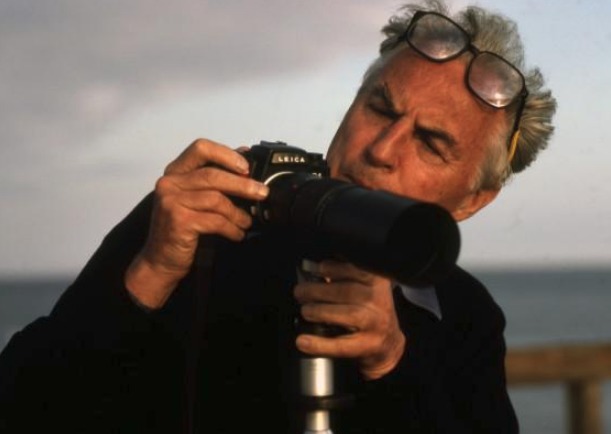
When photographers discuss the masters who changed the way we see the world through a camera, the name Ernst Haas deserves a place near the very top of the list. Long before digital photography, image stabilization, or sophisticated editing software, Haas demonstrated that a photograph could be more than a record of reality—it could become a work of visual poetry.
Born in Vienna, Austria, in 1921, Haas began photographing in the aftermath of World War II. His remarkable ability to tell stories through images quickly gained international attention. In 1949, his photo essay documenting the return of Austrian prisoners of war caught the eye of legendary photographer Robert Capa, who invited Haas to join Magnum Photos, one of the most prestigious photographic cooperatives in the world.
While many photographers of his era focused on black-and-white imagery, Haas became one of the pioneers who elevated color photography to the level of fine art.
Seeing Beyond Sharpness
Perhaps Haas’s greatest contribution to photography was his willingness to break the rules.
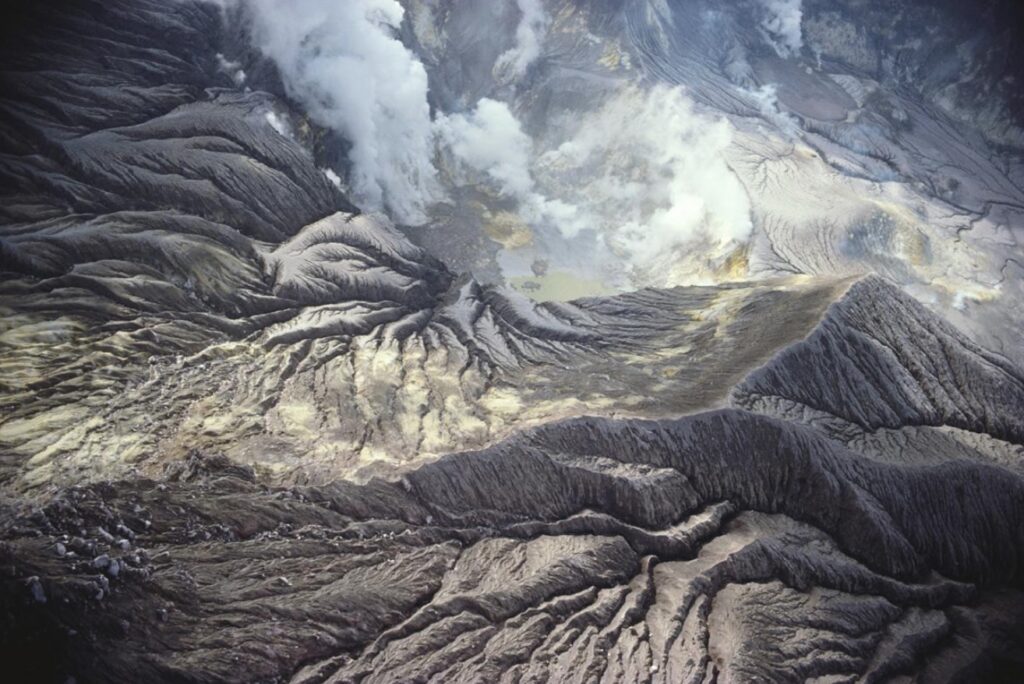
At a time when photographers were taught that every image should be sharp and technically perfect, Haas embraced motion blur, selective focus, and abstraction. He discovered that movement itself could become a creative tool. Racing horses became streaks of color. Bullfighters appeared as swirling forms of light and motion. City streets transformed into dynamic compositions of shape, rhythm, and energy.
For Haas, photography was not simply about recording what was in front of the lens. It was about capturing the feeling of a moment.
He once said:
“I am not interested in shooting new things. I am interested in shooting things new.”
That philosophy remains one of the most powerful lessons for photographers today. Creativity often comes not from finding a new subject, but from seeing a familiar subject in a new way.
The Power of Color
Today, color photography is everywhere. But during the 1950s and 1960s, many critics considered color photography unsuitable for serious artistic work.
Haas helped change that perception.
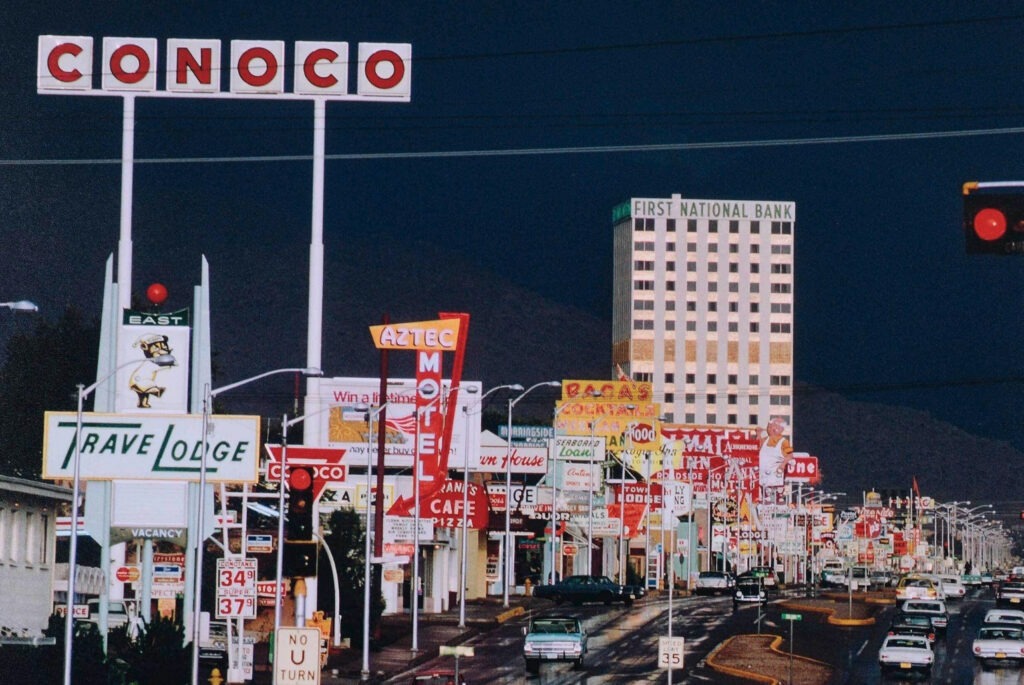
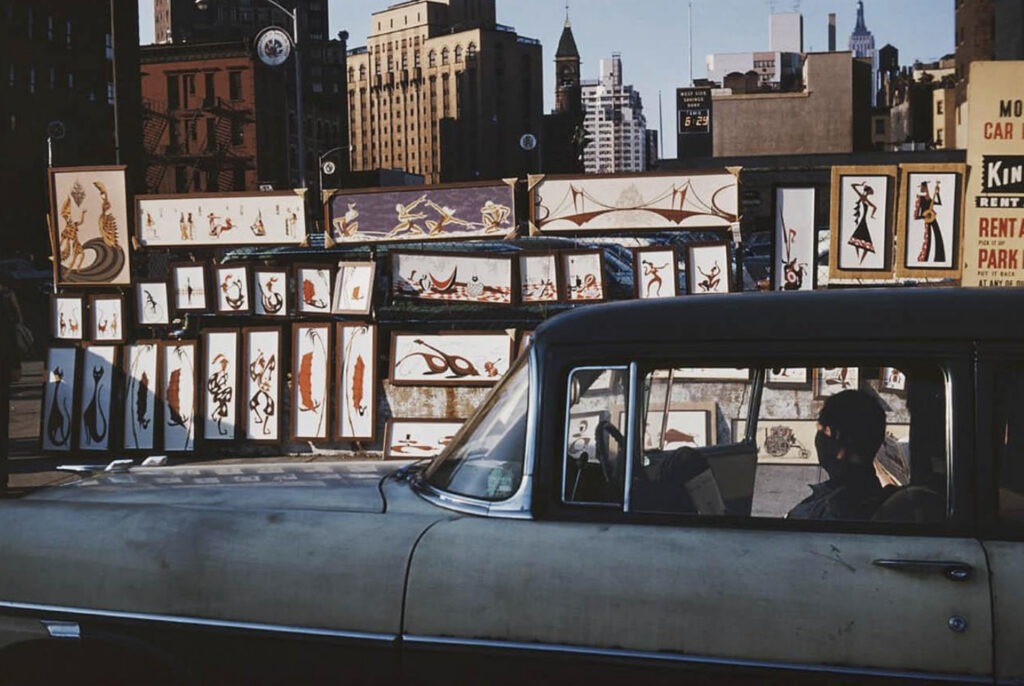
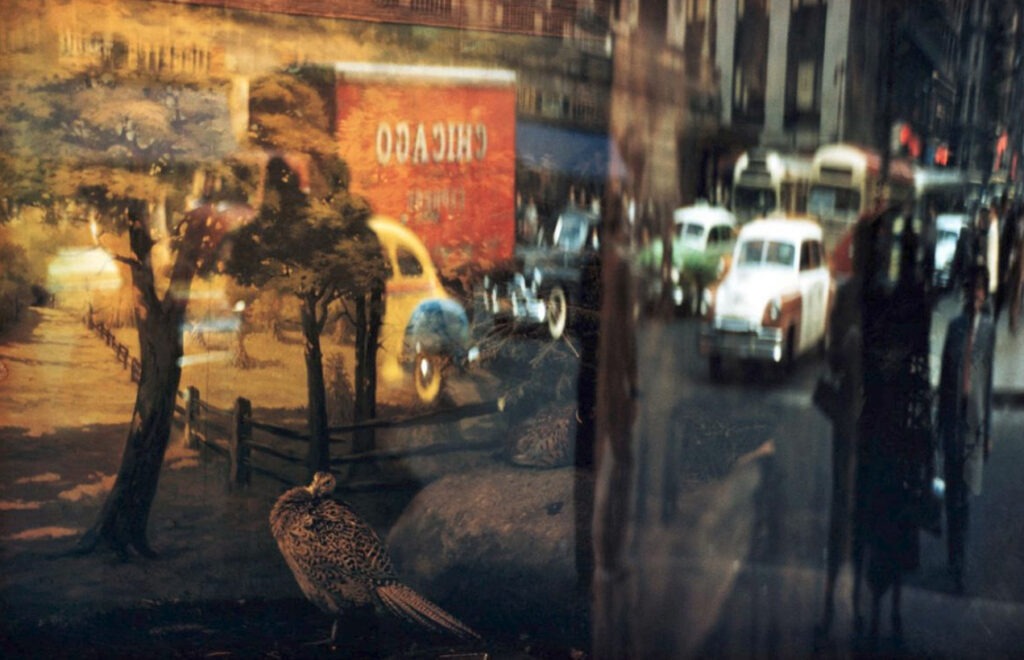
His groundbreaking color essays for Life magazine demonstrated that color could be used not merely for realism, but for emotion, mood, and visual storytelling. He treated color as a painter treats paint—using it to guide the viewer’s eye, create harmony, and evoke feeling.
His images often featured bold reds, rich yellows, deep blues, and vibrant contrasts that transformed ordinary scenes into extraordinary visual experiences.
Lessons for Today’s Photographers
The work of Ernst Haas remains remarkably relevant because the challenges photographers face today are often the same challenges photographers faced decades ago.
Haas reminds us that:
- Technical perfection is not always the goal.
- Motion can be used creatively.
- Color can be a powerful storytelling tool.
- Photography is as much about interpretation as it is about documentation.
- Personal vision matters more than equipment.
In an age when cameras have become incredibly sophisticated, Haas’s work encourages photographers to focus less on settings and more on seeing.
Why Ernst Haas Matters
For members of the Treasure Coast Photography Center, Haas offers an important reminder that photography is both a craft and an art.
Whether you photograph wildlife, landscapes, portraits, street scenes, or abstract subjects, Haas challenges us to move beyond simply taking pictures and instead create photographs that communicate emotion, energy, and personal vision.
His images invite us to slow down, look carefully, and ask not only “What am I photographing?” but “How do I want the viewer to feel?”
More than fifty years after his most celebrated work, Ernst Haas continues to inspire photographers around the world to experiment, explore, and discover new ways of seeing.
Learn With Intention. Create With Purpose.
The legacy of Ernst Haas demonstrates that great photography is not merely about capturing reality—it is about transforming ordinary moments into extraordinary visual experiences. His work reminds us that the camera is not just a recording device; it is a tool for expressing imagination, emotion, and wonder.