Masters of Light: Irving Penn
In a photographic world often drawn toward complexity, Irving Penn reminds us that mastery is frequently found in restraint.
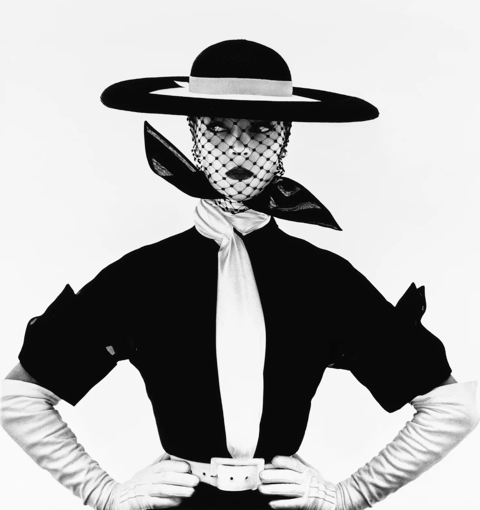
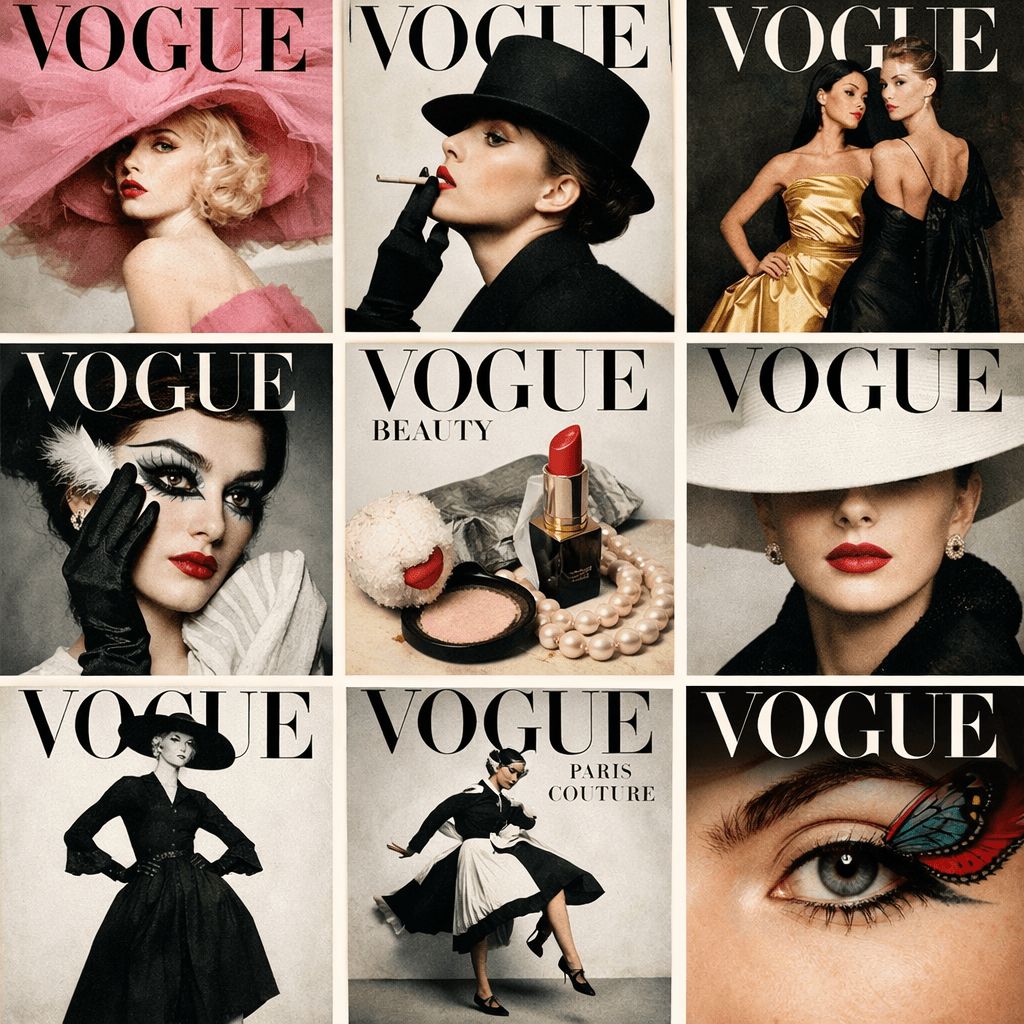
Although Penn was born more than twenty-five years after Vogue was founded, he would go on to shape its visual language for most of his life. His first credit appeared in August 1943. His last—remarkably—in August 2009. Over those 66 years, Penn created an unprecedented 165 Vogue covers, more than any other photographer in the magazine’s history.
But Penn’s significance reaches far beyond numbers or longevity.
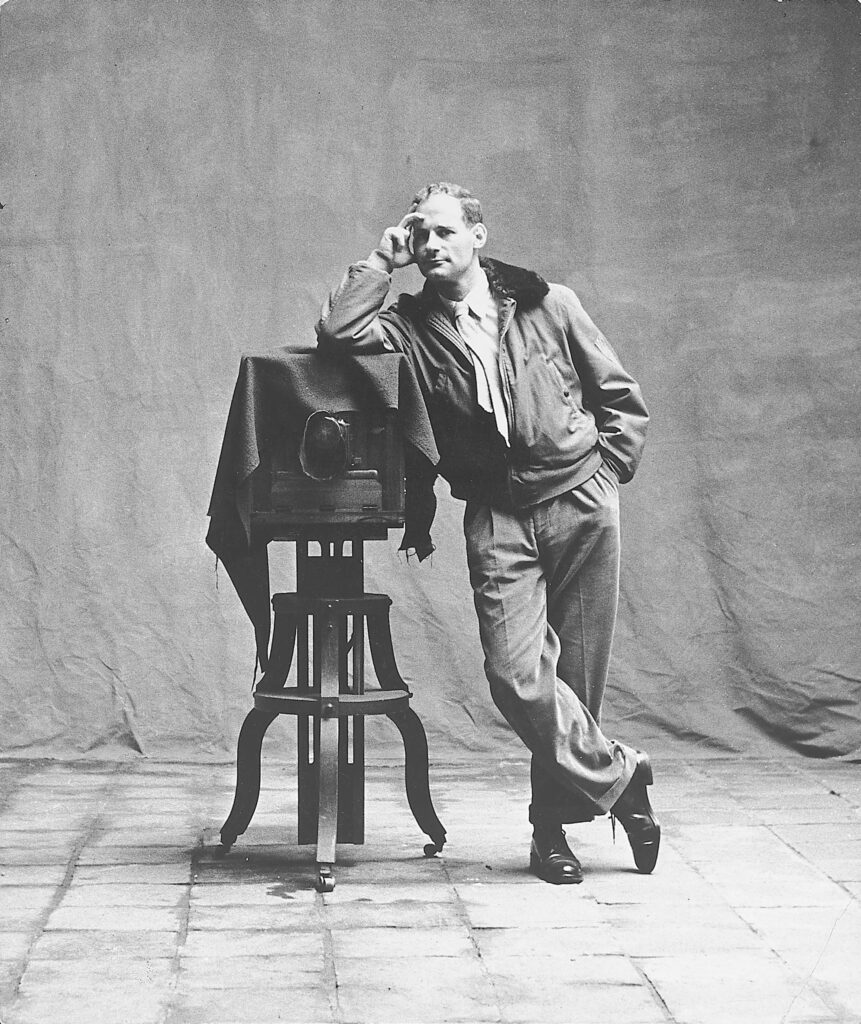
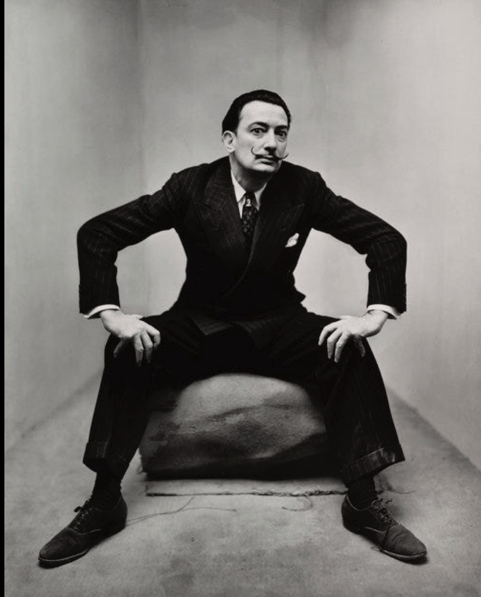
His photographs are instantly recognizable: spare, deliberate, and quietly intense. Whether working with fashion models, cultural figures, indigenous peoples, or everyday tradespeople, Penn consistently stripped photography down to its essentials—light, subject, and intention. Nothing extraneous. Nothing accidental.
Light as a Tool of Understanding
For Penn, light was never about drama for its own sake. Instead, it was a means of clarification. Light revealed form, suggested character, and directed attention with precision. His studio setups were famously simple—often a single light source, carefully positioned, paired with neutral or textured backgrounds.
This restraint leaves no place for distraction. The viewer must confront the subject directly. The photograph succeeds or fails not on embellishment, but on clarity of purpose.
The Background Is Active, Not Neutral
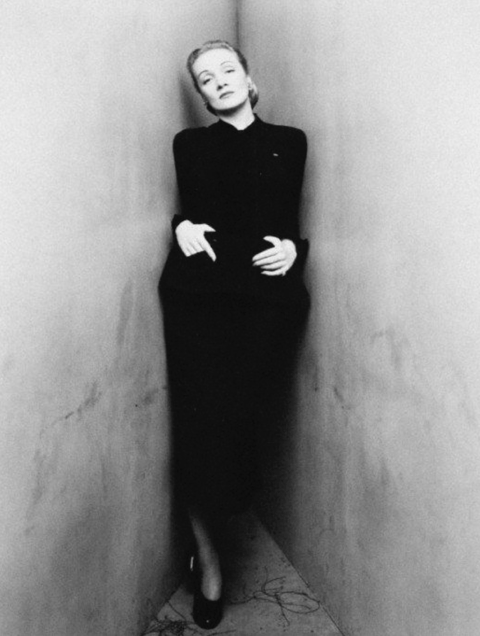
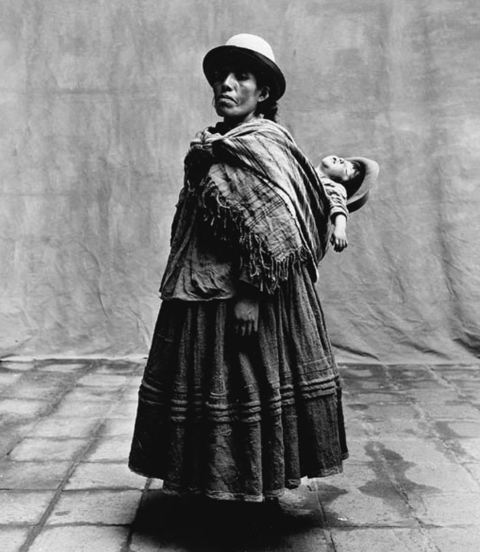
One of Penn’s most influential insights was his understanding that background matters. It is not passive—it participates. His iconic corner portraits, in which subjects are positioned between two angled backdrops, subtly apply psychological pressure. The resulting images feel intimate, honest, and occasionally uncomfortable—mirroring the complexity of human presence itself.
Penn understood that photography is as much about what you remove as what you include.
Craft in Service of Meaning
Although Penn worked extensively in fashion and editorial photography, his work never drifted into excess. His portraits seemed to reveal hidden selves within famous sitters. His couture photographs, often made with natural light, elevated garments into sculptural forms. His portfolios of indigenous peoples were direct and dignified. His flower studies explored beauty and decay. His small trades series honored labor and craftsmanship. Even his personal projects—nudes, cigarette butts, and discarded objects—were approached with seriousness and respect.
Across all of it, technique never called attention to itself. Craft was always present, but always in service of meaning.
A Career Without Parallel
The full scope of Penn’s wide-ranging and unparalleled career was celebrated in Irving Penn: The Centennial at the bringing together fashion, portraiture, ethnographic work, still life, and personal studies into a single cohesive vision. After its New York run, the exhibition traveled internationally, reinforcing Penn’s status as one of the most influential photographers of the twentieth century.
Why Irving Penn Still Matters
For photographers learning to see with intention, Penn offers a liberating lesson: you do not need more gear, more lights, or more effects. You need clarity.
His work challenges us to slow down, simplify, and ask a fundamental question before pressing the shutter:
What am I trying to say—and does every element in the frame support that intention?
A Reflection for Members
As part of the Masters of Light series, Irving Penn invites us to reconsider our own photographic practice. How often do we rely on complexity instead of clarity? How often does our lighting serve the subject rather than compete with it?
Penn’s work aligns perfectly with the guiding principle of the Treasure Coast Photography Center:
Learn with Intention. Create with Purpose.
Sometimes, the most powerful photographs are the quiet ones—where light, form, and meaning exist in perfect balance.