
The Power of Storytelling Through Light
Inspired by Annie Leibovitz
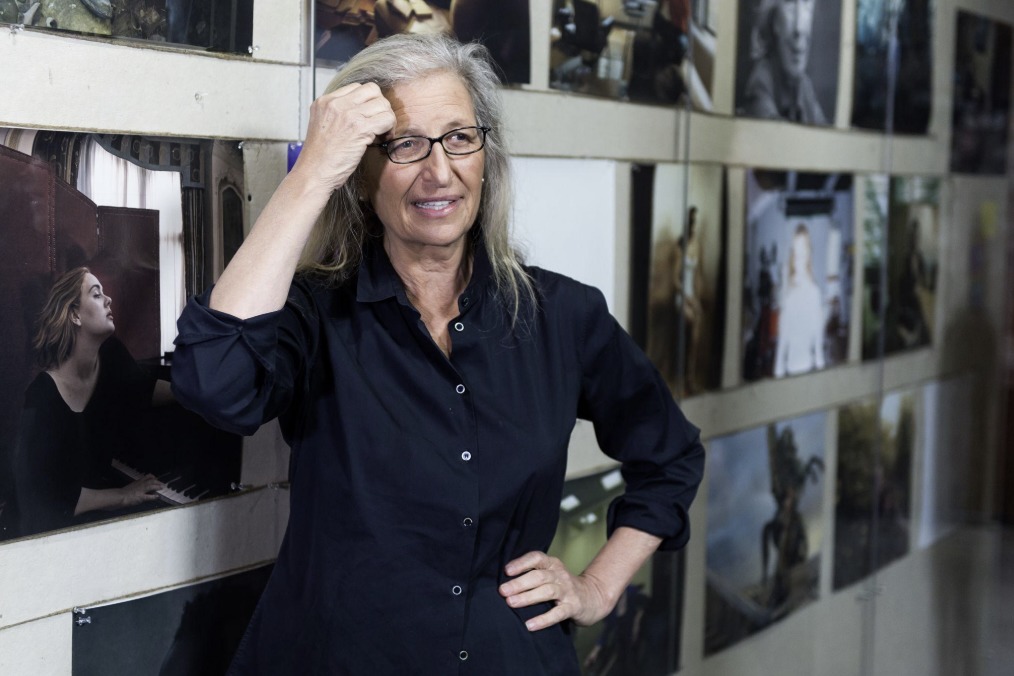
Few photographers have influenced portrait photography like Annie Leibovitz.
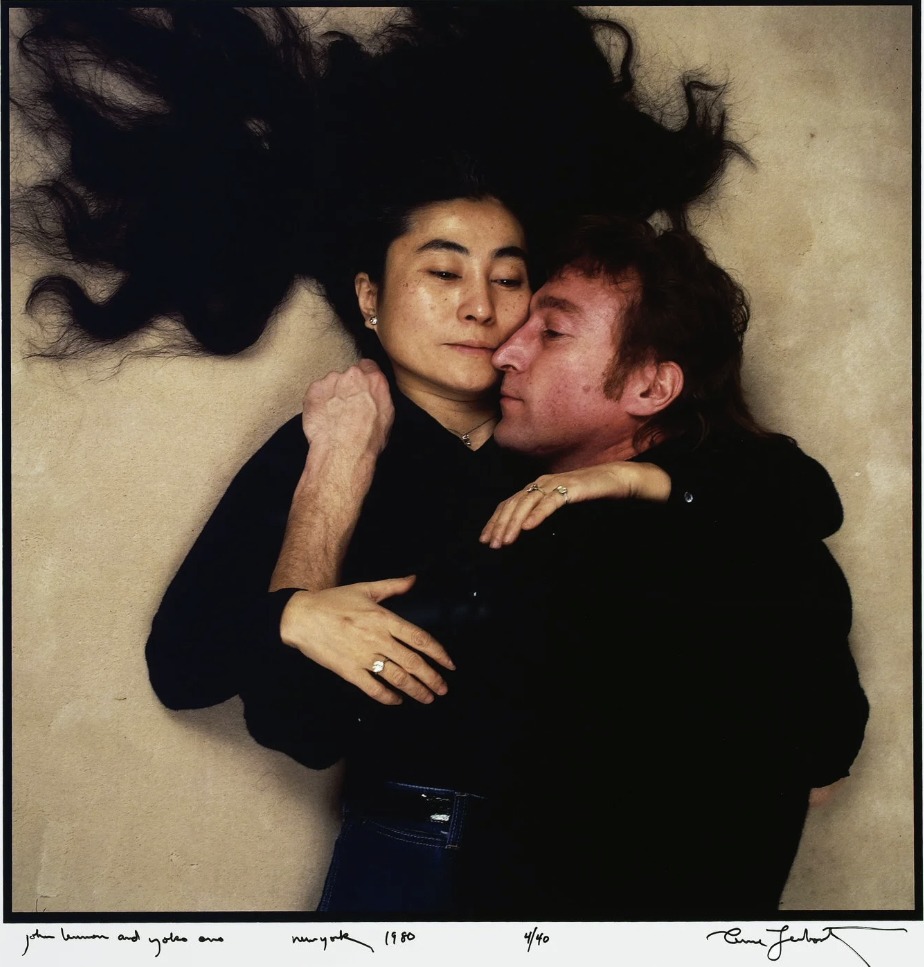
Her images don’t just show a person—they tell a story.
Whether she is photographing musicians, actors, or world leaders, she uses light to shape mood, emotion, and presence.
In her work, light is not just illumination—it is character.
How Her Style Developed
Leibovitz began in the early 1970s with Rolling Stone magazine.
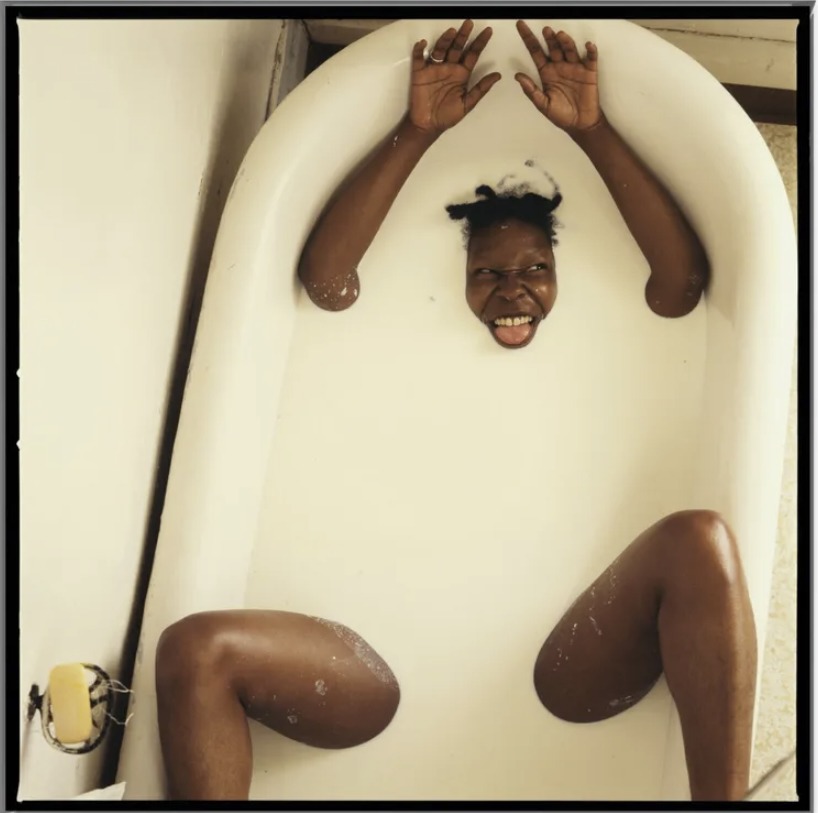
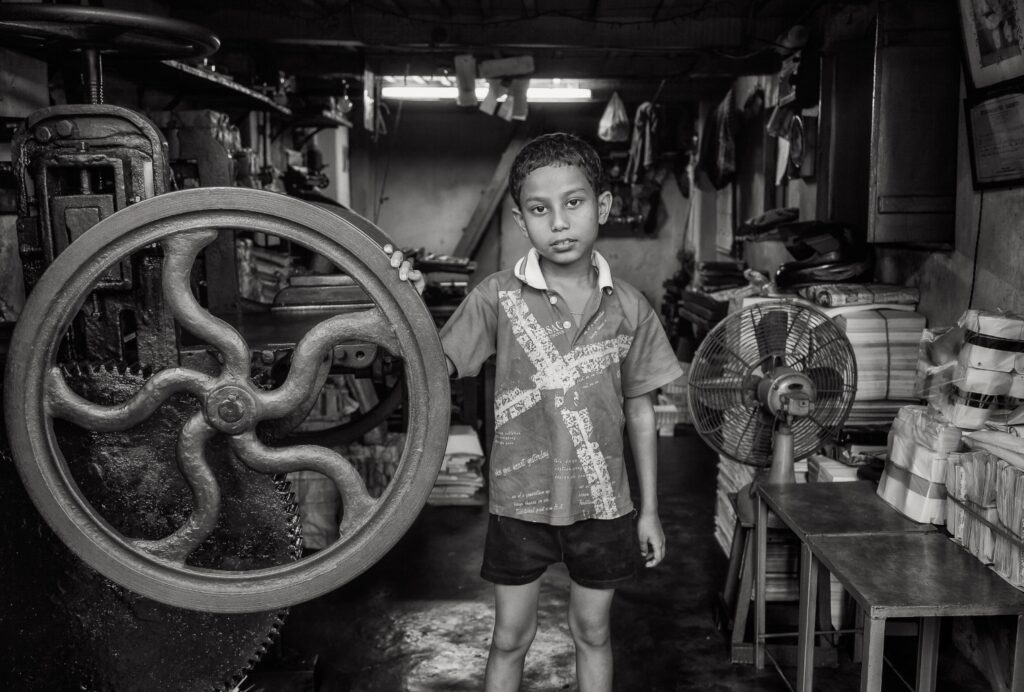
Her early work had a documentary feel—natural light, minimal staging, and a close, personal connection to her subjects.
She photographed people as they were—not as icons.
Later, at Vanity Fair and Vogue, her work became more cinematic.
Sets grew larger, concepts more elaborate—but one thing stayed constant:
 Light remained the foundation of the story.
How She Uses Light
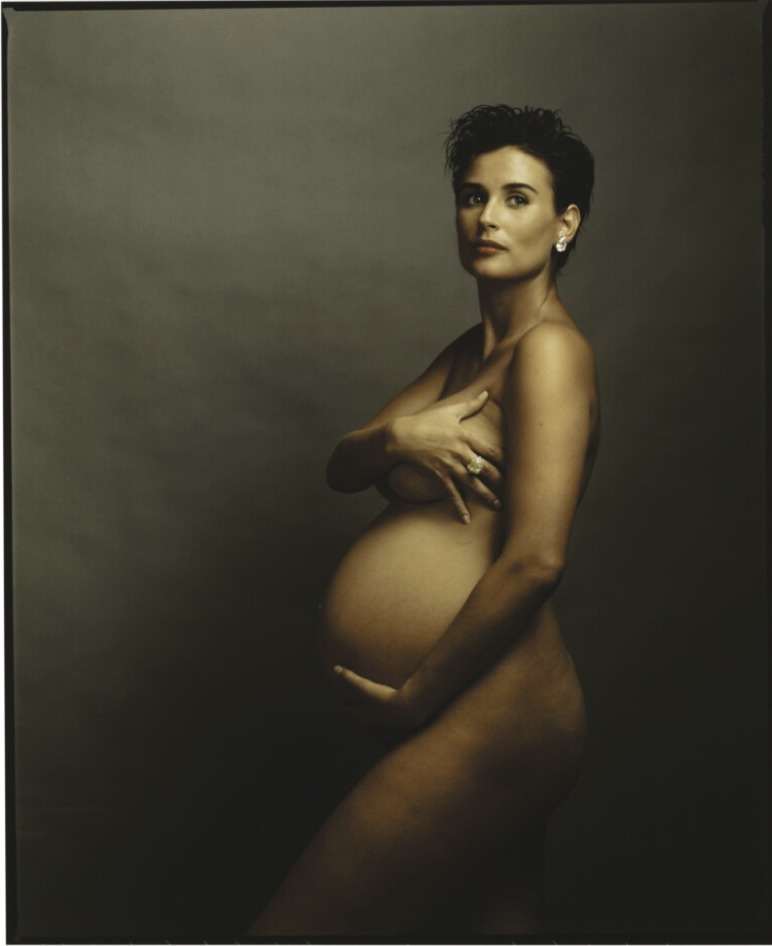
Leibovitz’s lighting is controlled, but it feels natural and intentional.
Her approach often includes:
-
Large, soft light sources
(softboxes, scrims, or window light for smooth, natural tones) -
Directional light
Light placed off to the side to create depth and shape -
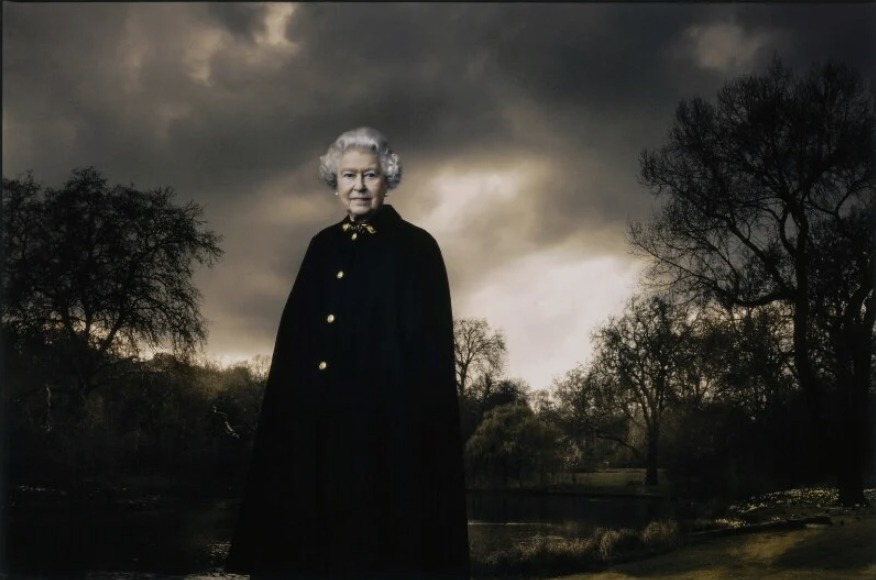
Environmental lighting
The background is lit to support the story—not ignored -
Warm tones
Subtle warmth adds emotion and a painterly quality
More Than a Portrait—A Story
Leibovitz doesn’t just take headshots.
She creates visual narratives.
Her images often include:
-
Carefully chosen locations
-
Wardrobe and props
-
Lighting that supports the subject’s identity
Examples:
-
Athletes portrayed as larger-than-life heroes
-
Actors placed in cinematic scenes
-
Cultural figures shown in meaningful environments
The result: a portrait that communicates something deeper
What Photographers Can Learn
1. Light Should Support the Story
Ask yourself:
-
What should the viewer feel?
-
What kind of light creates that feeling?
2. Size of Light Matters
Larger light sources create softer, more flattering light.
3. Environment Matters
Don’t remove the background—use it to strengthen the story.
4. Plan Ahead
Great portraits are rarely accidental.
Think through your concept, lighting, and location before you shoot.
Her Lasting Influence
Leibovitz helped transform portrait photography into a form of storytelling.
Today, her influence can be seen everywhere:
-
Cinematic portraits
-
Narrative-driven imagery
-
Soft, directional lighting
-
Concept-based photography
Final Thought
Light is more than a technical setting—it is the emotional language of photography.
When you learn to control light, you’re not just shaping a face—
you’re shaping how the image feels.
By Charlie Hutchins