
October 11 Field Trip to Butterfly World: Capture the Magic in Flight!
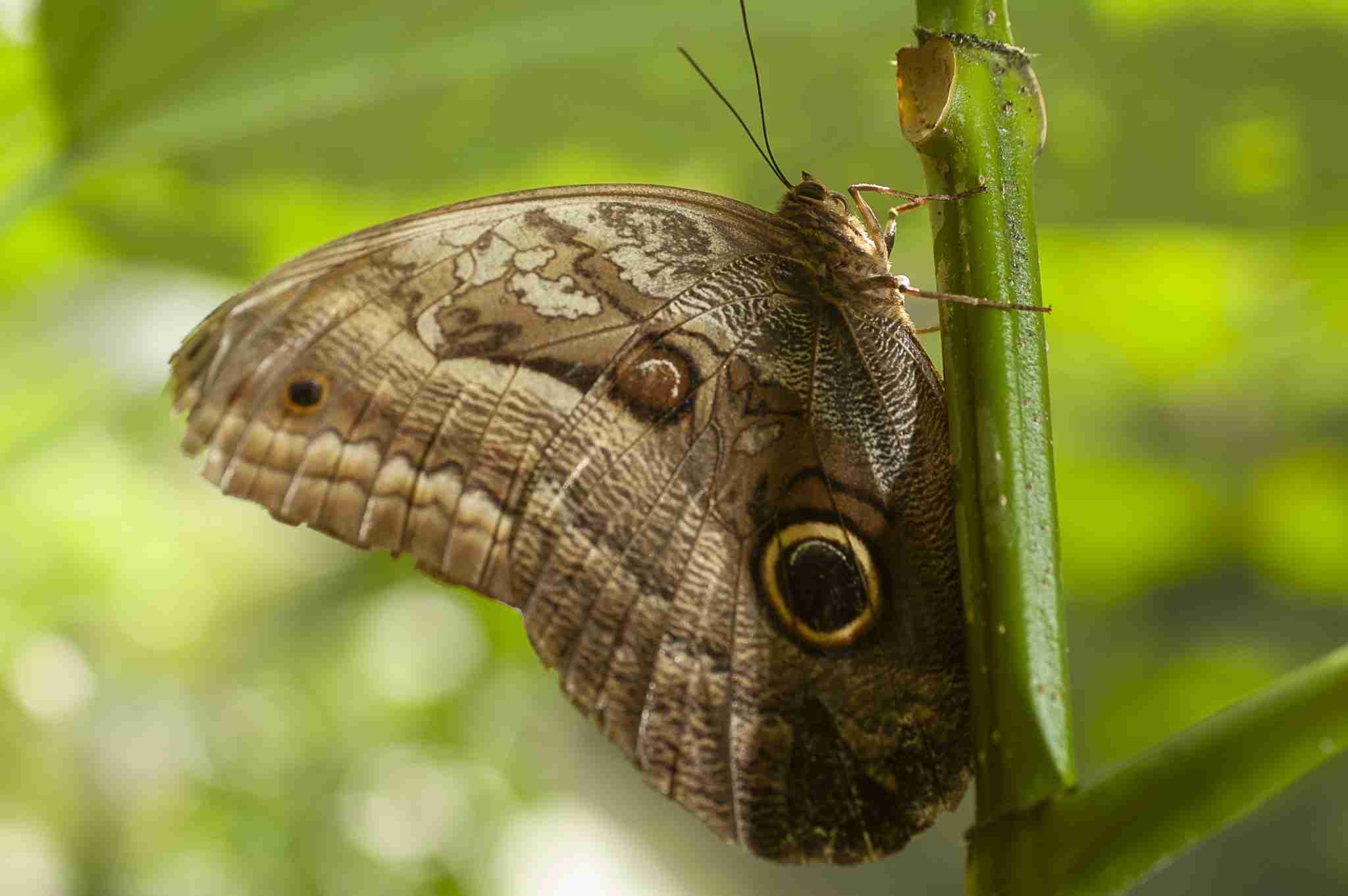
Butterfly World – A Paradise for Nature Lovers
Butterfly World, the first and largest butterfly house in the U.S., began as Ronald Boender’s passion for butterflies. After a successful engineering career, he turned his hobby into a thriving butterfly farm, supplying universities and zoos. Inspired by butterfly houses in the UK, he partnered with Clive Farrell to open Butterfly World in 1988.
Spanning several acres, the park features lush botanical gardens, butterfly aviaries, tropical bird exhibits, and a lorikeet encounter. Boender also launched the “Bring Back the Butterflies” campaign, promoting butterfly gardening across North America. Additionally, Butterfly World has played a key role in conservation efforts, helping save the endangered Schaus Swallowtail.
Join us on October 11 for the Treasure Coast Photography Center field trip and capture the beauty of this one-of-a-kind destination!
Fees:
$32.50 Entry fee per person
$3 Parking
Register For The Field Trip
Photographing butterflies requires a mix of technical skills, patience, and an understanding of butterfly behavior. Here are the key skills needed:
1. Camera & Technical Skills
- Macro Photography – Master close-up shots to capture fine details.
- Manual Focus – Autofocus can struggle with small, fast-moving subjects, so manual focus is often better.
- Aperture Control – Use a wide aperture (f/2.8 – f/5.6) for soft backgrounds or a smaller aperture (f/8 – f/11) for more detail.
- Fast Shutter Speed – Helps freeze movement (1/500s or faster).
- ISO Management – Adjust for lighting conditions while keeping noise minimal.
2. Understanding Butterfly Behavior
- Timing – Butterflies are most active in the morning and late afternoon.
- Approach – Move slowly and avoid sudden movements.
- Perches & Patterns – Observe where they land and wait for the right moment.
3. Composition & Lighting
- Natural Light Mastery – Soft morning or late afternoon light is ideal.
- Background Awareness – Avoid distractions; use blurred backgrounds for emphasis.
- Angles & Perspectives – Experiment with side, top, and close-up views.
4. Post-Processing Skills
- Color Correction – Enhance natural vibrancy.
- Sharpening – Highlight fine wing details.
- Noise Reduction – Essential when shooting in low light.
5. Patience & Field Awareness
- Stay Still & Observe – Let butterflies come to you.
- Use the Right Gear – A macro lens or telephoto lens helps capture details without disturbing them.
- Practice, Practice, Practice – The more you shoot, the better your results.
Recommended Gear & Settings for Butterfly Photography
Camera Gear
- Camera Type: A DSLR or mirrorless camera with good autofocus and high-resolution capabilities.
- Lens:
- Macro Lens (90mm–105mm) – Best for close-up details.
- Telephoto Lens (100mm–400mm) – Great for shooting from a distance without disturbing butterflies.
- Extension Tubes – Affordable way to turn a standard lens into a macro lens.
- Tripod/Monopod: Helps stabilize shots, especially in low light.
- Flash with Diffuser: Useful for filling in shadows without creating harsh highlights.
Best Camera Settings
For Still Butterflies (Resting on Flowers)
- Mode: Aperture Priority (A/Av) or Manual
- Aperture: f/8 – f/11 (for sharp details on wings)
- Shutter Speed: 1/250s – 1/500s
- ISO: 100–400 (adjust based on light conditions)
- Focus Mode: Manual or Single-point AF
For Flying Butterflies
- Mode: Shutter Priority (S/Tv) or Manual
- Shutter Speed: 1/1000s – 1/2000s (to freeze motion)
- Aperture: f/5.6 – f/8 (sharp focus, some background blur)
- ISO: 400–800 (adjust for lighting)
- Focus Mode: Continuous AF (AI Servo / AF-C)
For Backlit Butterflies (Sunlight Behind Wings)
- Exposure Compensation: +0.3 to +1.0 (to prevent underexposure)
- Use Fill Flash or Reflector: To balance shadows