February 15 Field Trip – Treasure Coast Wildlife Center
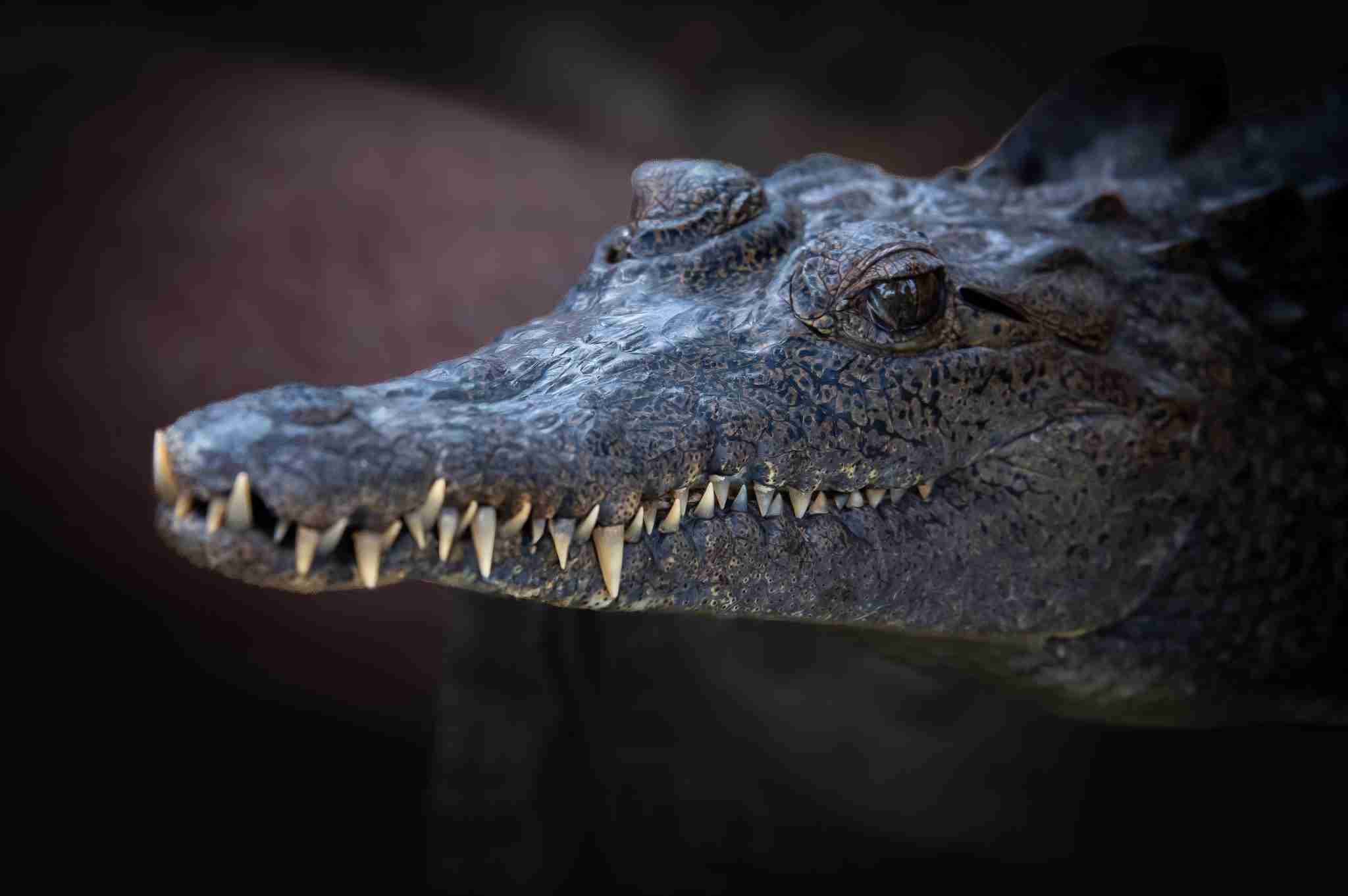
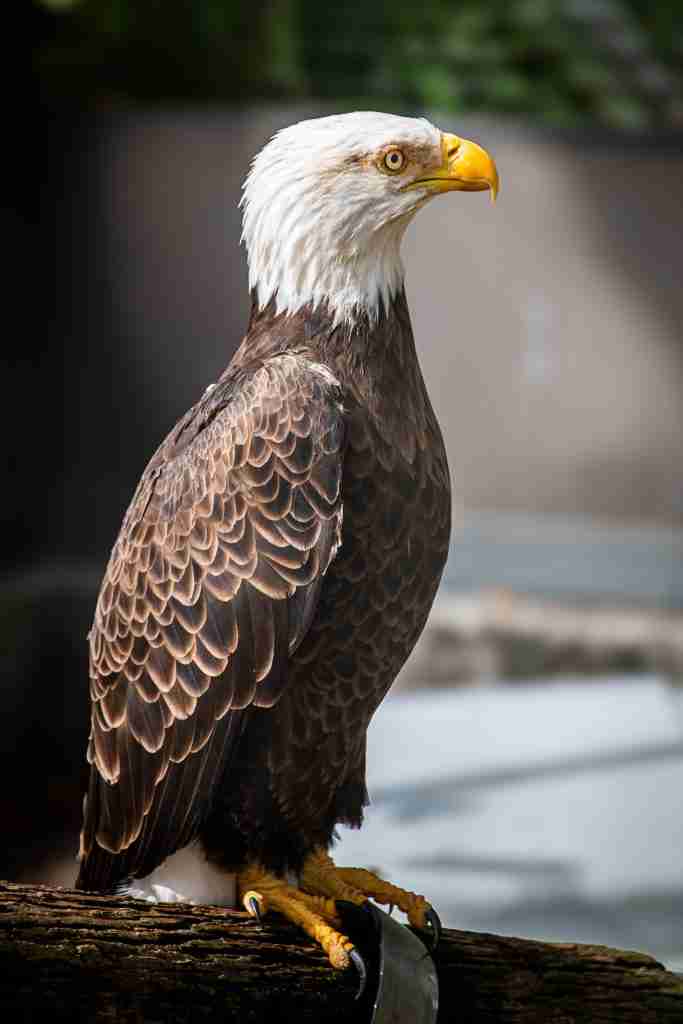
Our Field Trip takes us to the Treasure Coast Wildlife Center, a sanctuary devoted to rehabilitating and protecting Florida’s incredible wildlife. Founded in 1974, this nonprofit organization works tirelessly to rescue injured, ill, and orphaned animals, helping them return to their natural habitats. Their mission also includes educating the community about the importance of wildlife conservation.
You’ll have the opportunity to photograph a wide variety of fascinating animals up close, all while supporting a cause that truly makes a difference. Whether you’re refining your existing skills or trying animal photography for the first time, this experience will challenge your creativity and leave you with stunning portraits to enter in this month’s contest.
A suggested donation of $10 would be appreciated for the guided tour of the Treasure Coast Wildlife Center. The Center is located at 8626 SW Citrus Blvd, Palm City. Park at the Visitor Parking before you get to the buildings, then proceed toward the building for the start of the tour. We will meet there at 11:00AM. Following the tour, we would like to go the Bonefish Mac’s for a fellowship lunch and discuss the field trip. Bonefish Mac’s is located at 662 SE Becker Rd, Port St Lucie just east of the Turnpike entrance. Any questions, please contact Val Bormanis at 561 994-0363.
Don’t miss this opportunity to sharpen your skills, support wildlife preservation, and capture unforgettable moments!
Register For The Field Trip
Essential Camera Skills to Learn Before You Arrive
1. Mastering Focus ModesSkill: Understanding autofocus modes (Single, Continuous/AI Servo) and manual focus.Why It’s Important: Wildlife can be unpredictable and move quickly, so being able to focus on a moving subject is critical for sharp shots.
2. Using a Telephoto LensSkill: Familiarity with long lenses (e.g., 200mm, 300mm, or more) and how to stabilize them.Why It’s Important: You’ll often photograph animals from a distance to avoid disturbing them, and long lenses help fill the frame while maintaining a safe range.
3. Shutter Speed ControlSkill: Adjusting shutter speed for freezing motion or adding blur to show movement.Why It’s Important: Wildlife moves quickly, so a faster shutter speed (e.g., 1/1000 or higher) is often necessary to avoid motion blur.
4. Aperture and Depth of FieldSkill: Understanding how aperture (f-stop) affects background blur (bokeh) and subject isolation.Why It’s Important: A wide aperture (e.g., f/2.8–f/5.6) can create stunning portraits by making the animal stand out against a soft, blurred background.
5. ISO ManagementSkill: Balancing ISO for low-light environments without introducing too much noise.Why It’s Important: Wildlife preserves may have shaded areas or low light at dawn and dusk. Knowing when to increase ISO ensures bright, clear images.
6. Composition TechniquesSkill: Mastering the rule of thirds, leading lines, and framing for impactful photos.Why It’s Important: Thoughtful composition creates more visually engaging and storytelling images.
7. Shooting in Burst Mode (Continuous Shooting)Skill: Using burst mode to capture a series of images in quick succession.Why It’s Important: Animals often move unpredictably—burst mode helps you catch the perfect moment.
8. Metering and Exposure CompensationSkill: Understanding metering modes (spot, center-weighted, evaluative) and how to adjust for tricky lighting.Why It’s Important: You may encounter harsh sunlight, shadows, or reflective surfaces like water. Knowing how to expose your shots correctly is crucial.
9. Silent Shutter or Reduced Noise SettingsSkill: Using your camera’s silent or quiet shutter mode.Why It’s Important: A loud shutter click can startle animals or disrupt their natural behavior.
10. Patience and TimingSkill: Practicing patience and waiting for the right moment.Why It’s Important: Wildlife photography is as much about waiting as it is about shooting. Anticipating animal behavior leads to more authentic and compelling images.